
How a West Kelowna RMT Accelerates Sports Injury Recovery
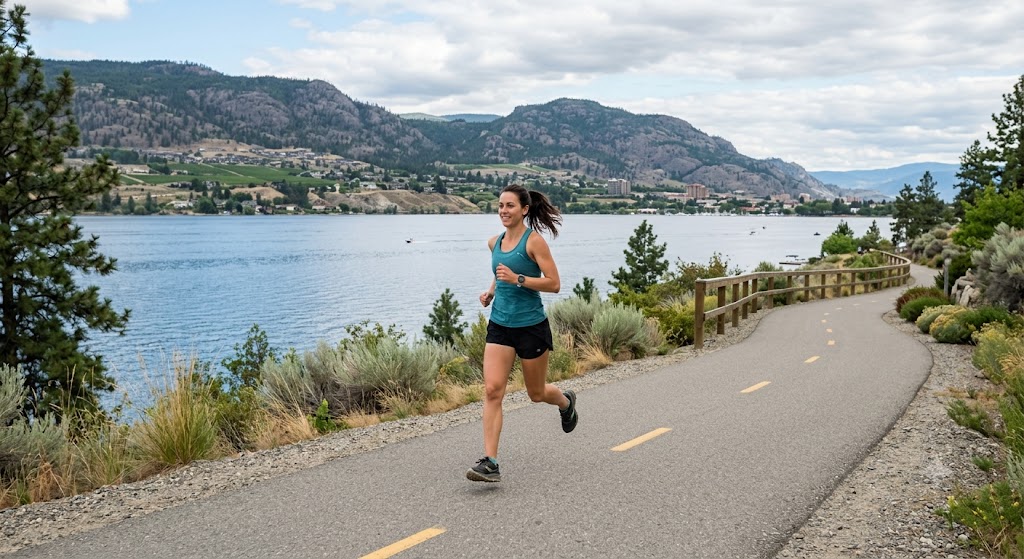
The Okanagan Valley is an incredible playground for athletes and outdoor enthusiasts alike. However, pushing your body to perform at its peak often increases the risk of sports injuries and localized tissue damage. Whether you are training for a local triathlon, playing competitive soccer, or pushing your limits on the mountain bike trails at Rose Valley, seeing a West Kelowna RMT (Registered Massage Therapist) is an excellent way to manage the physical toll of a heavy training load.
When facing an athletic setback, many people immediately think of physiotherapy or active rehabilitation. While those are crucial steps, clinical massage therapy is an equally vital component of a well-rounded recovery plan. Working with a registered therapist provides targeted support that helps manage acute symptoms, facilitates tissue healing, and keeps your training on track.
At Westside Physiotherapy & Acupuncture, we view massage therapy as a highly effective, complementary treatment. It is not just about relaxation. It is a clinical tool designed specifically to address the physical demands of high-level activity.
Beyond Relaxation: The Clinical Power of Massage Therapy
When you book a massage in West Kelowna at a multidisciplinary clinic, you are not simply getting a spa treatment. Registered Massage Therapists in British Columbia undergo rigorous, extensive training. They study anatomy, physiology, pathology, and neurology for hundreds of hours. They are highly skilled healthcare professionals equipped to assess and treat a wide variety of musculoskeletal dysfunctions.
For athletes, an RMT applies specific, targeted techniques to address the wear and tear associated with heavy training. They focus on restoring optimal tissue mechanics, reducing pain, and supporting the body’s natural healing processes. This clinical focus makes massage an indispensable part of your athletic conditioning and rehabilitation strategy.
Understanding Muscle Strains and Heavy Training Loads
To fully appreciate how an RMT helps, we must first understand what happens to the body during intense physical activity. Consistent, heavy training loads place significant mechanical stress on your muscles, tendons, and fascia.
Controlled stress is absolutely necessary for building strength and endurance. However, exceeding your tissue’s capacity can easily lead to muscle strains. A strain occurs when muscle fibers stretch beyond their limits or tear under excessive force. We often categorize these strains into three distinct grades:
- Grade 1 (Mild): A slight stretch or minor tearing of a few muscle fibers. You will feel tenderness and minor pain, but maintain normal strength.
- Grade 2 (Moderate): A more significant tear of muscle fibers. You will experience noticeable pain, swelling, and a distinct loss of strength and mobility.
- Grade 3 (Severe): A complete rupture of the muscle or tendon. This requires immediate medical attention and often surgical intervention.
The immediate result of a moderate strain involves localized inflammation, pain, muscle spasms, and a restricted range of motion. Even without an acute tear, chronic heavy training can cause muscles to become hypertonic. This means they remain excessively tight. They develop trigger points and adhesions that severely hinder your athletic performance.
Common Okanagan Sports Injuries an RMT Can Support
Local athletes face unique challenges based on our terrain and seasonal sports. A West Kelowna RMT regularly helps patients manage a variety of regional complaints:
Cyclist and Runner Overuse Injuries
Endurance athletes frequently battle overuse conditions. Iliotibial (IT) band friction syndrome, shin splints, and plantar fasciitis are incredibly common. An RMT addresses these issues by releasing tension in the surrounding hip flexors, glutes, and calves. They reduce the mechanical pull on irritated tendons and fascia.
Golf and Tennis Asymmetries
Rotational sports dominate the Okanagan summers. Golfers and tennis players often develop significant muscular imbalances. This leads to conditions like medial epicondylitis (Golfer’s elbow) or lower back pain. Clinical massage helps restore symmetry by releasing overactive muscles and improving spinal rotation.
Winter Sports Trauma
Skiing and snowboarding at Big White or SilverStar bring their own set of risks. Whiplash from falls, shoulder strains, and deep tissue contusions are frequent visitors to our clinic. Early massage intervention helps manage the resulting muscle spasms and promotes healthy blood flow to bruised areas.
The Role of Fascia in Athletic Performance
You cannot discuss sports massage without mentioning fascia. Fascia is a tough, connective tissue that wraps around every muscle, bone, nerve, and organ in your body. Think of it like a continuous, three-dimensional spiderweb.
Intense training, dehydration, or injury can cause fascia to bind up and become restrictive. This limits your flexibility and creates pain. Many RMTs utilize a technique called myofascial release. They apply sustained pressure to stretch and soften this web. Releasing fascial restrictions instantly improves your joint mobility. It allows your muscles to glide smoothly over one another, optimizing your athletic power output.
4 Ways a West Kelowna RMT Accelerates Recovery
A West Kelowna RMT utilizes various evidence-based manual therapies to address the physical realities of your training. They commonly use deep tissue massage, trigger point therapy, and active release techniques. Here is a breakdown of how they support your recovery journey:
| Benefit | How It Works | Impact on Recovery |
| Relieving Muscle Tension | Uses targeted pressure to release hypertonic (tight) muscles and deactivate painful trigger points. | Reduces localized pain, restores normal muscle resting length, and improves joint range of motion. |
| Improving Circulation | Mechanical pressure and stripping techniques promote localized blood flow and lymphatic drainage. | Helps flush out metabolic waste from intense training and delivers oxygen and nutrients essential for tissue repair. |
| Managing Scar Tissue | Applies cross-fiber friction to healing tissues to influence how collagen fibers align during recovery. | Helps prevent thick, restrictive scar tissue from forming, maintaining muscle elasticity and flexibility. |
| Nervous System Regulation | Stimulates sensory receptors in the skin and fascia to down-regulate the sympathetic nervous system (fight-or-flight). | Promotes a parasympathetic state (rest-and-digest), which is the optimal physiological environment for cellular healing. |
Integrating Massage into Your Multidisciplinary Care Plan
Recovering from major sports injuries is rarely a linear process. It almost always requires a collaborative team approach. At our West Kelowna clinic, our RMTs work seamlessly with our physiotherapists and kinesiologists. Together, they provide a true continuum of care.
Here is exactly how clinical massage fits into the broader rehabilitation puzzle:
- Phase 1: Pain and Tension Management (RMT & Physiotherapy): In the early stages of a strain, your physiotherapist will diagnose the injury and guide early healing. Concurrently, your RMT will use gentle techniques. They reduce compensatory muscle spasms, manage fluid buildup, and provide pain relief. They do this without aggravating the injured tissue.
- Phase 2: Restoring Mobility (RMT & Physiotherapy): As tissues heal, your RMT will utilize deeper myofascial techniques. They break down adhesions and restore tissue glide. This perfectly complements your physiotherapist’s joint mobilization work and hands-on therapy.
- Phase 3: Active Loading (Kinesiology & RMT): Once your RMT has helped restore proper tissue mechanics and length, our kinesiologists step in. They will guide you through active rehabilitation. They apply strategic physical loads to the healed tissue to build long-term strength. You continue seeing your RMT during this phase to manage any delayed onset muscle soreness (DOMS).
What to Expect During Your Sports Massage Session
If you have never booked a clinical massage, you might wonder what happens during an appointment. Your session will not feature pan flute music and hot stones. Instead, it is an active, goal-oriented health intervention.
- Thorough Assessment: Your RMT will begin by taking a detailed health history. They will ask about your training load, the mechanism of your injury, and your specific athletic goals. They may perform orthopedic tests to assess your range of motion and pinpoint the exact source of your pain.
- Targeted Treatment: The treatment itself focuses heavily on the problematic areas and their compensating structures. Your RMT may ask you to actively move a joint while they apply pressure. This technique breaks up stubborn tissue adhesions.
- Ongoing Communication: The pressure should be therapeutic, not agonizing. Your RMT will constantly check in with you to ensure the treatment remains within your pain tolerance.
- Home Care Prescription: A great RMT does not let the treatment end at the clinic door. They will likely prescribe specific stretches, hydrotherapy advice (like ice or heat application), or hydration tips to support the hands-on work.
Clinical Note: It is completely normal to feel slightly sore or tender for 24 to 48 hours following a deep sports massage. This is a natural response as your body flushes metabolic waste and tissues adapt to the mechanical changes.
Quick Q&A: Sports Massage and Athletic Recovery
When is the best time to book a sports massage: before or after a big race or tournament?Both offer unique benefits, but timing is key. A pre-event massage (booked 2 to 3 days before your event) should be lighter and focused on increasing blood flow, warming up the tissue, and improving flexibility without fatiguing the muscles. A post-event recovery massage (ideally 24 to 48 hours after) is highly targeted. It focuses on flushing out metabolic waste, reducing compensatory muscle spasms, and managing delayed onset muscle soreness (DOMS).
Does a clinical sports massage have to be painful to be effective?Absolutely not. While deep tissue work and trigger point therapy can be uncomfortable or invoke a “hurts so good” sensation, it should never be agonizing. If the pressure causes you to tense your muscles or hold your breath, your nervous system engages its fight-or-flight response, and your body will actively fight the treatment. Your West Kelowna RMT will always communicate with you to work safely within your pain tolerance.
Are RMT sessions for sports injuries covered by extended health insurance?Yes, extended health benefit plans in British Columbia offer coverage for treatments provided by a Registered Massage Therapist. We always recommend checking your specific insurance policy details to confirm your coverage limits and to see if a doctor’s referral is required by your provider.
Keep Your Okanagan Training on Track
Do not let tight tissues and localized strains dictate your athletic season. Incorporating regular sessions with a West Kelowna RMT into your routine is a highly proactive strategy. It helps you manage the physical demands of your sport, supports efficient tissue repair, and prevents minor tightness from developing into a major, season-ending setback.
Whether you are managing acute muscle strains from a weekend tournament or seeking to optimize your recovery between heavy endurance training blocks, our multidisciplinary team is here to help.
Take control of your athletic recovery today. Book an appointment with a Registered Massage Therapist at Westside Physiotherapy & Acupuncture, and experience the difference that clinical massage makes.
