
How to Prepare Your Body for Ski Season in West Kelowna
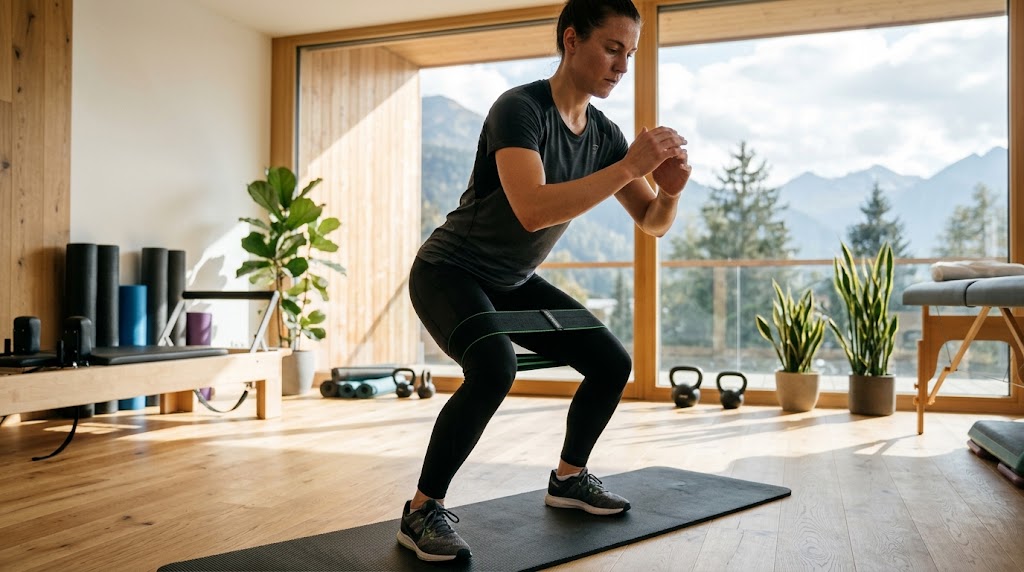
As the crisp autumn air settles into the Okanagan Valley, our local hiking trails begin to quiet down, and anticipation builds for the first major snowfall at Big White and SilverStar. The transition from summer activities to winter sports is an exciting time for residents of West Kelowna. However, this seasonal shift also demands a significant change in how your body moves and the specific muscles it relies on.
Many people make the mistake of jumping straight from their summer hiking boots into their ski boots without properly preparing their bodies for the unique mechanical demands of the slopes. This sudden transition often leads to the classic early-season knee sprain or lower back flare-up.
At Westside Physiotherapy & Acupuncture, we want to shift the focus from reactive care to proactive optimization. Why wait until you are broken to come see us? By embracing a “Fall Body Reset,” you can utilize targeted physiotherapy and acupuncture to recover from summer wear-and-tear and actively prepare your body for a successful, comfortable winter season.
The Physiotherapy Angle: “Pre-Hab” for the Snow
Skiing and snowboarding are incredibly demanding sports that require a unique combination of strength, balance, and rapid reaction times. When you are carving down a mountain, your body is subjected to intense gravitational forces and unpredictable terrain.
If your muscles are not adequately conditioned to handle these forces, your joints, particularly your knees, hips, and lower spine, end up absorbing the brunt of the impact. This is where “pre-habilitation” or pre-hab for the snow becomes essential. Pre-habilitation focuses on improving strength, mobility, and function before you hit the slopes, helping you prepare physically for the season.
A targeted physiotherapy or kinesiology program for winter sports focuses heavily on three key areas:
- Eccentric Quad Strength: When you are skiing, your quadriceps (the muscles on the front of your thighs) are constantly working to control your descent and absorb shocks. This requires eccentric strength, the ability of the muscle to lengthen while under tension. Building eccentric strength helps protect your knee joints, particularly the ACL, from sudden, forceful impacts.
- Rotational Core Stability: Snowboarding and skiing both require significant rotational control. Your core acts as the central link between your upper and lower body. A strong, stable core allows you to transfer power efficiently and maintain your balance when navigating moguls or catching an edge.
- Proprioception and Balance: Proprioception is your body’s ability to sense its position in space. When you are strapped into heavy boots and sliding on snow, your proprioceptive system must work overtime. Specific balance training helps train your neuromuscular system to react quickly to changing terrain, significantly reducing the risk of falls and joint sprains.
At-Home Pre-Hab: Two Exercises to Start Today
You do not need to wait for your first physio appointment to start preparing. Here are two actionable exercises you can incorporate into your routine right now to start building winter resilience:
1. The Eccentric Step-Down
- Why it works: Builds eccentric quad strength and improves knee tracking.
- How to do it: Stand on a bottom step or a sturdy box. Slowly lower one foot toward the floor, taking 3 to 4 seconds to control the descent. Lightly tap your heel on the ground, then push back up. Keep your standing knee aligned over your toes. Aim for 3 sets of 10 repetitions per leg.
2. The Rotational Russian Twist
- Why it works: Develops rotational core stability.
- How to do it: Sit on the floor with your knees bent and heels lightly touching the ground. Lean back slightly, maintaining a straight spine. Clasp your hands together and slowly rotate your torso to tap the floor on one side of your hips, then rotate to the other side. Perform 3 sets of 20 total taps (10 per side).
The Acupuncture Angle: The Ultimate Fall Tune-Up
While physiotherapy focuses on the mechanical preparation of your body, traditional acupuncture serves as the ultimate seasonal transition tool.
The transition into fall is an excellent time to address the lingering aches and pains you may have accumulated over a busy summer of hiking, biking, and paddleboarding. Many people seek acupuncture to help with pain, tension, and recovery from injury. Using fine, sterile needles, a Registered Acupuncturist can help reduce localized pain and restore proper muscle tone in those overworked tissues.
Furthermore, as the weather cools, peripheral blood circulation often decreases, which can make joints feel stiff and sluggish. Acupuncture encourages localized blood circulation, helping to warm up the tissues and deliver essential nutrients for cellular repair.
Crucially for the fall season, traditional acupuncture is also known for its ability to help regulate internal systems and support overall wellness. By promoting a balanced nervous system and encouraging healthy energy flow, acupuncture can be a valuable part of supporting your body’s natural ability to heal and maintain resilience during the transition into colder weather.
Frequently Asked Questions (Q&A)
Ideally, you should begin your pre-hab routine 6 to 8 weeks before your first day on the mountain. This provides your muscles, tendons, and nervous system adequate time to adapt to the new physical demands and build functional strength.
Yes! At Westside Physiotherapy, half of our physiotherapists have advanced training to offer Anatomical Acupuncture. There is no additional charge for receiving acupuncture during your physiotherapy visit, making it easy to combine these powerful modalities. Alternatively, you can book an acupuncture visit with our traditional Chinese medicine acupuncturist.
Returning to high-impact sports after surgery requires a careful, individualized assessment. Our team can evaluate your current joint stability, strength, and range of motion. We can design a customized post-operative rehabilitation protocol to help you safely bridge the gap between your recovery and a return to the slopes.
Optimize Your Body for the Winter Season
Do not let a lack of preparation cut your winter sports season short. By combining the mechanical strengthening of physiotherapy with the restorative benefits of acupuncture, you can transition smoothly from summer trails to winter slopes.
If you are ready to proactively optimize your body for the activities you love, book an appointment with our clinical team today. Let us help you achieve a fall body reset so you can enjoy a strong, active, and comfortable winter season in the Okanagan.
