
Deep Tissue Relief: Benefits of a Massage Therapist in West Kelowna
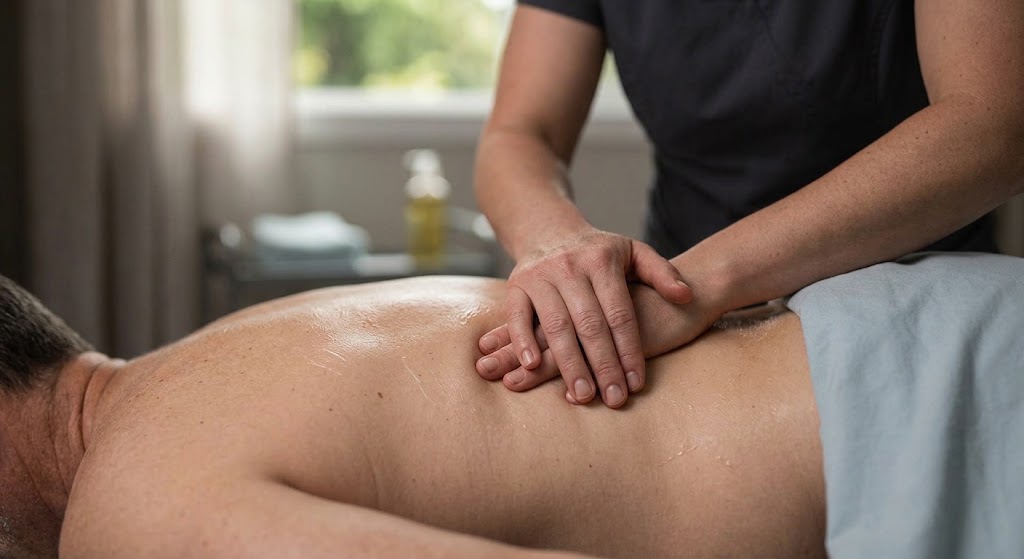
The Okanagan Valley lifestyle combines active outdoor pursuits and demanding professional routines. These activities quickly compound physical stress. You might be recovering from a mountain bike ride. You might navigate long hours at a desk. Either way, your muscles constantly absorb the impact. Muscular tension can escalate from a minor annoyance to a persistent limitation. When this happens, seeking a massage therapist in West Kelowna residents trust provides lasting mechanical relief.
Many people associate massage primarily with spa days and general relaxation. However, clinical massage therapy serves as a highly targeted healthcare intervention. You can book a massage in West Kelowna at a multidisciplinary clinic like Westside Physiotherapy & Acupuncture. Our dedicated team of experienced healthcare professionals provides one-on-one treatment time. You will engage with a professional trained specifically to manipulate soft tissues.
Beyond Relaxation: The Clinical Role of an RMT
Registered Massage Therapists in British Columbia undergo rigorous education. They study anatomy, physiology, pathology, and clinical assessment. An RMT does not apply a generalized, full-body routine. Instead, they develop an individualized treatment plan. They will also explain when you can expect results.
This clinical approach is vital for persistent pain, limited mobility, or injury recovery. Practitioners focus on root-cause diagnostic resolution rather than temporary symptom masking. Massage primarily treats body stress or pain. We highly recommend integrating RMT services into your healthcare routine. Our practitioners work as a unified team. They cross-refer within the clinic to provide the most effective therapeutic techniques, maintaining the rigorous evidence-based standards championed by organizations like the Physiotherapy Association of British Columbia (PABC).
Deep Tissue Massage: Correcting Underlying Dysfunction
Chronically contracted muscle layers often form rigid bands of painful, inelastic tissue. We call these bands adhesions. Adhesions restrict local circulation and severely limit joint range of motion. They also frequently refer pain to other areas of the body. Deep tissue massage is a targeted clinical modality. Our Massage Therapists commonly use this technique. They use it to physically break down these restrictive bands.
Your West Kelowna massage therapy session will utilize varying levels of force. Therapists apply this force with hands, fingers, or elbows to safely access underlying structures. This technique can feel intense, but it shouldn’t ever be agonizing. Your RMT will consistently communicate with you. They work to keep the pressure therapeutic and well within your tolerance.
Deep tissue massage mechanically releases deep-seated adhesions. This process increases circulation and the body’s supply of oxygen. Enhanced circulation promotes the body’s natural healing process. It allows essential nutrients to reach the compromised tissue. This reduces the likelihood of chronic stiffness. Over time, you can notice a significant improvement in your mobility.
Advanced Clinical Techniques for Targeted Relief
A skilled RMT utilizes a diverse toolkit of evidence-based manual therapies. Every treatment plan is grounded in current medical literature. Therapists apply these techniques directly to muscles, ligaments, tendons, and joints. Three highly effective techniques include:
- Cross-Fibre Massage: Tendons and ligaments consist of dense, parallel collagen fibers. Upon injury, the body often lays down disorganized scar tissue. This creates a weak and restrictive patch. Our therapists apply specific pressure perpendicular to the tissue fibers. This actively supports the breakdown of existing scar tissue. It also stimulates the functional realignment of new collagen.
- Myofascial Release: Fascia is the tough connective tissue web enveloping every muscle and organ. Physical trauma and chronic inflammation can cause this web to tighten. This creates widespread mechanical restriction and pain. Therapists use myofascial release to apply sustained, gentle pressure. This stretches and softens the tissue. Releasing these deep restrictions helps improve global joint mobility.
- Neuromuscular Therapy: Dysfunctional interactions between the nervous and muscular systems frequently drive chronic pain. We commonly use neuromuscular therapy to address muscular imbalances and nerve compression. The therapist applies concentrated digital pressure to specific trigger points. This physically interrupts the pain signals sent to the brain. It helps guide the nervous system to “reset” the muscle’s resting tone.
Combatting the Physical Toll of Chronic Stress
Chronic psychological stress substantially impacts the physical body. A locked “fight-or-flight” nervous system keeps cortisol levels chronically elevated. Consequently, muscles adopt a constant state of defensive guarding. This involuntary guarding frequently leads to tension headaches. It also causes jaw clenching and severe neck pain.
Clinical massage therapy serves as a powerful intervention to break this cycle. Manual soft tissue manipulation stimulates sensory receptors. These receptors activate the body’s parasympathetic “rest and digest” state. This physiological shift naturally lowers your heart rate and reduces blood pressure. It also signals your muscles to disengage from their protective guarding. Regular sessions with a massage therapist in West Kelowna provide an indispensable physiological reset.
Quick Q&A: Clinical Massage Therapy
Deep tissue work involves firm pressure to reach underlying muscle layers. However, it shouldn’t cause you to tense up or hold your breath. People often describe it as a “good pain” or therapeutic discomfort. Your RMT will discuss an individualized treatment plan with you. This helps keep the treatment effective yet completely tolerable.
Absolutely. Registered Massage Therapy serves as a critical component of motor vehicle accident recovery. If you have an active ICBC claim, you receive automatic pre-approval for treatments. This covers up to 12 RMT sessions within the first 12 weeks.
The frequency of your visits depends entirely on your specific condition and recovery goals. During your initial assessment, your Massage Therapist will discuss your treatment plan. Acute issues might require weekly visits initially. Maintenance for chronic stress or postural tension could transition to once a month.
Start Your Recovery Journey
Living with persistent muscular pain or chronic tension restricts your daily life. Don’t wait for minor stiffness to develop into a significant limitation. An RMT utilizes advanced clinical techniques to address the root cause of your discomfort. This actively supports your long-term physical health. Book an appointment at Westside Physiotherapy & Acupuncture today. Experience the distinct advantage of clinical care for yourself.
