
Concussion Management: A Safe Return to Work and Play
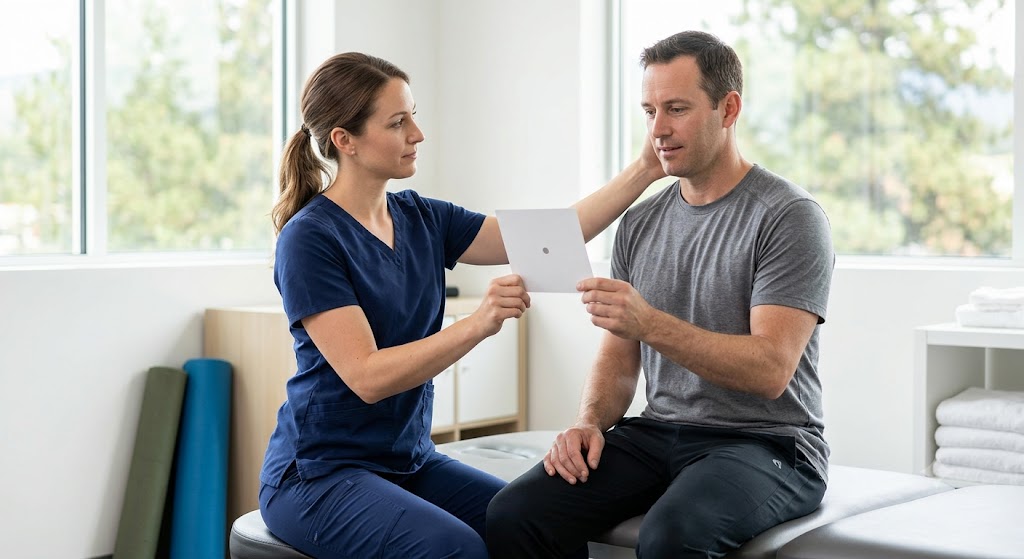
Experiencing a concussion can be an overwhelming and unsettling experience. Whether the injury happened during a weekend hockey game, a minor car accident, or a simple slip and fall, lingering symptoms like dizziness, brain fog, and severe headaches can disrupt every aspect of your daily routine. That is why seeking early and effective concussion management is a critical step in helping your brain heal appropriately.
In the past, the standard advice was to sit in a dark room and rest until you felt better. Today, guidelines from organizations like Parachute Canada emphasize that prolonged strict rest can actually delay recovery. At Westside Physiotherapy & Acupuncture, our evidence-based approach focuses on active, guided rehabilitation to safely help you return to work, school, and play.
The Pillars of Active Concussion Treatment
Every brain injury is unique, which means your concussion treatment plan must be carefully tailored to your specific symptoms. Our physiotherapists conduct a thorough assessment to identify which systems have been affected, focusing heavily on three key areas:
1. Managing Cognitive Load
After a head injury, your brain requires more energy to perform basic tasks, leaving you easily fatigued. Pacing your cognitive load is essential. We help you implement strategies to manage screen time, reading, and problem-solving, gradually re-introducing these tasks so you can build tolerance without triggering a flare-up of symptoms.
2. Visual-Vestibular Integration
Your vestibular system (inner ear) and visual system work together to keep you balanced and oriented. A concussion often disrupts this connection, leading to dizziness, motion sensitivity, and tension-type headaches. Through specific vestibular rehabilitation exercises, we help retrain your brain to process spatial information correctly, which actively supports your balance and visual tracking.
3. Cardiovascular Pacing
While intense exercise is not recommended immediately following a head injury, complete bed rest is no longer the gold standard. We utilize sub-symptom threshold exercise—meaning light, controlled cardiovascular activity that gets your blood flowing without provoking symptoms. Gradually increasing your heart rate in a safe, monitored environment promotes healthy blood flow to the brain to assist with the recovery process.
Traditional Rest vs. Active Concussion Management
To understand why our approach works, it helps to look at how treatment protocols have evolved:
| Feature | Outdated “Rest” Approach | Active Concussion Management |
|---|---|---|
| Initial Phase | Total isolation in a dark, quiet room for weeks. | Brief initial rest (24-48 hours), followed by gradual, symptom-limited activity. |
| Exercise | Avoid all physical activity until 100% symptom-free. | Controlled, light aerobic exercise introduced early to promote blood flow. |
| Symptom Focus | Waiting passively for symptoms to disappear. | Actively addressing specific deficits (e.g., vision, balance, neck tension). |
| Return to Work/Play | Abrupt return once cleared, risking symptom relapse. | A structured, multi-step gradual return to ensure long-term success. |
Quick Q&A: Navigating Brain Injury Recovery
Screen time requires intense visual tracking and cognitive processing. If your visual-vestibular systems are struggling to integrate information after a head injury, the extra effort often results in fatigue and worsening headaches.
Recovery timelines vary greatly from person to person. While many individuals see significant improvements within a few weeks, others may take months. Consistent, guided rehabilitation helps support the process and minimizes the risk of prolonged symptoms.
Absolutely. It is very common to sustain a whiplash-type injury alongside a head impact. We safely assess and treat the cervical spine (neck) to relieve muscle tension and joint stiffness, which is often a major contributor to post-injury discomfort.
Support Your Brain’s Recovery Journey
Navigating the aftermath of a head injury can feel isolating, but you do not have to figure it out alone. By participating in a structured rehabilitation program, you can actively support your recovery and help restore your quality of life.
If you are struggling with lingering symptoms, book an assessment with our West Kelowna clinic today to learn more about our specialized assessment and treatment options. Let us help you safely get back to the activities you love.
